CHARGERS
Electric vehicle (EV) chargers are essential devices for recharging the batteries of electric cars. With the growing adoption of electric vehicles around the world, having efficient and accessible charging infrastructure is essential to support the transition toward cleaner and more sustainable transportation.
CHARGERS
Electric vehicle (EV) chargers are essential devices for recharging the batteries of electric cars. With the growing adoption of electric vehicles around the world, having efficient and accessible charging infrastructure is essential to support the transition toward cleaner and more sustainable transportation.
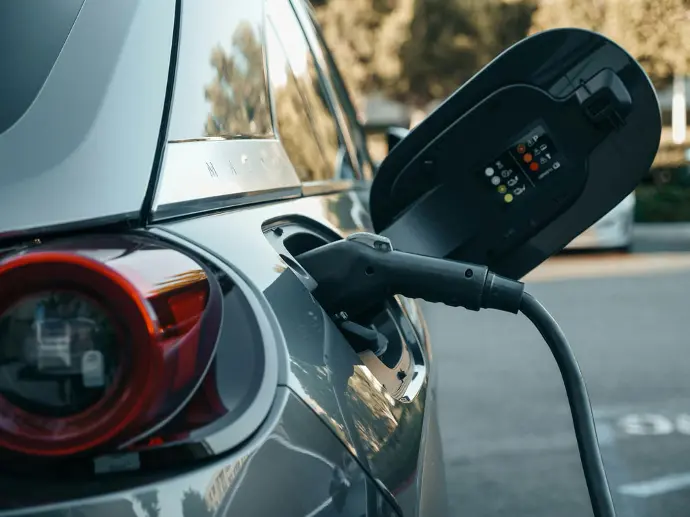
Level 1 Chargers
Voltage: 120V
8-20 horas para una carga completa.Charging Time::
Use: → Ideal for residential use, as it connects to a standard power outlet.
Advantages: Easy installation and low cost.
Disadvantages: Slow charging speed, suitable for short daily trips.
Level 1 Chargers
Voltage: 120V
8-20 horas para una carga completa.Charging Time::
Use: → Ideal for residential use, as it connects to a standard power outlet.
Advantages: Easy installation and low cost.
Disadvantages: Slow charging speed, suitable for short daily trips.
Level 2 Chargers
Voltage: 240V
Charging Time: 4-8 hours for a full charge.
Use: Popular for both residential and commercial applications.
Advantages: Faster charging compared to Level 1 chargers.
Desventajas: Requires professional installation and a dedicated circuit.
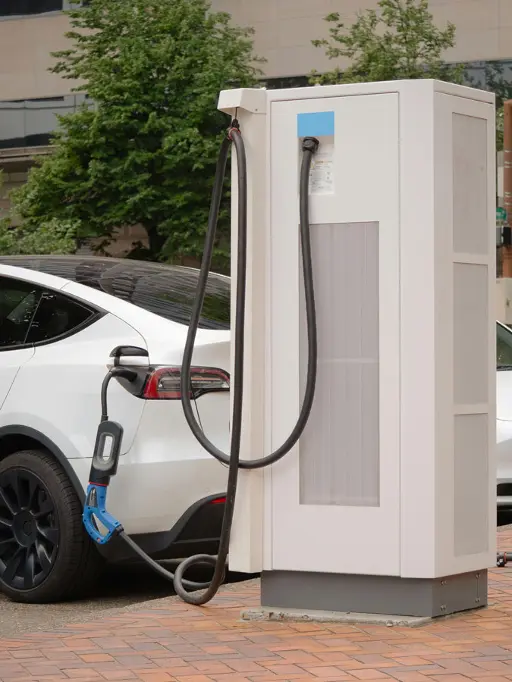
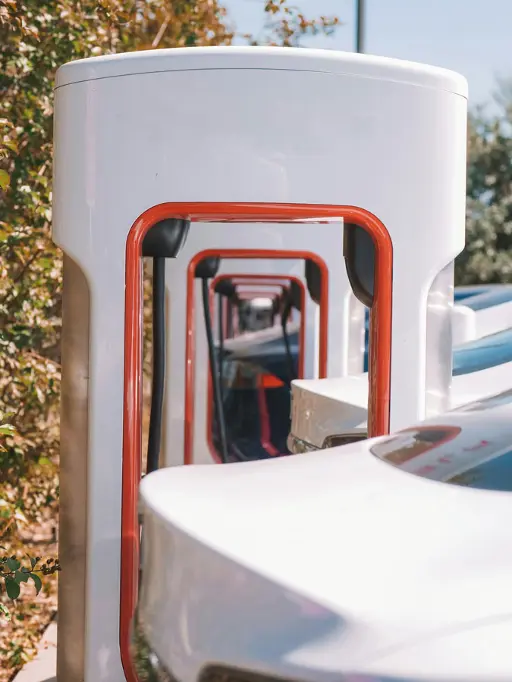
Level 3 Chargers →(DC Fast Chargers)
Voltage: 480V
30 minutos a 1 hora para una carga completa.Charging Time:
Use: Mainly used in public charging stations and service areas.
Advantages: Extremely fast charging.
Disadvantages: xpensive and require robust electrical infrastructure.
Level 3 Chargers →(DC Fast Chargers)
Voltage: 480V
30 minutos a 1 hora para una carga completa.Charging Time:
Use: Mainly used in public charging stations and service areas.
Advantages: Extremely fast charging.
Disadvantages: xpensive and require robust electrical infrastructure.
Advantages of Installing Electric Vehicle Chargers
Convenience and Accessibility
Having a charger at home or at work provides convenience and eliminates the need to look for public charging stations.
Time Savings
Level 2 and Level 3 chargers allow vehicles to be charged more quickly, optimizing users’ time.
Tax Incentives
In many countries, the installation of electric vehicle chargers is eligible for tax incentives and benefits.
Contribution to the Environment
Facilitating the charging of electric vehicles helps reduce greenhouse gas emissions and combat climate change.
Increase in Property Value
Having EV charging facilities can increase the value of residential and commercial properties.
How Does Electric Vehicle Charging Work?
Connection
The driver connects the charging cable to the vehicle’s charging port.
Charging Start
Depending on the type of charger, charging may start automatically or through user authentication, for example with an RFID card.
Monitoring
During charging, the system monitors the battery status and adjusts the charging power as needed.
Completion
Once the battery is fully charged, the charger stops automatically to prevent overcharging.
Installation of Electric Vehicle Chargers
The installation of an electric vehicle charger must be carried out by qualified professionals to ensure safety and proper equipment operation. These are the basic steps for installation:
Site Assessment
Analysis of the existing electrical system and selection of the optimal installation location.
Charger Selection
Selection of the most suitable type of charger according to the user’s needs and the vehicle’s characteristics.
Electrical Installation
Carrying out the necessary electrical connections and installing the charger.
Testing and Configuration
Verification of charger operation and configuration of any additional features, such as connection to a charging management network.
Installation Considerations
Electrical Capacity
It is essential to ensure that the existing electrical system can support the additional load of the EV charger.
Accessibility
The charger must be located in a place that is easily accessible for both the vehicle and the user.
Safety
The installation must comply with all electrical safety regulations to avoid the risk of fire or electrocution.
Connectivity
In the case of smart chargers, it is important to ensure good internet connectivity for monitoring and management functions.
Smart Chargers and Energy Management
Smart chargers offer advanced features that improve the charging experience and optimize energy use. Some of these features include:
Charging Scheduling
Allows users to schedule charging at specific times to take advantage of lower electricity rates.
Real-Time Monitoring
Users can monitor charging status and energy consumption from a mobile app.
Dynamic Charging
Adjusts charging power according to energy availability, avoiding overload on the electrical system.
Integration with Renewable Energy
Smart chargers can be integrated with solar energy systems, allowing the vehicle to be charged with clean and renewable energy.
Conclusion
→he adoption of electric vehicle chargers is a crucial step toward a more sustainable and emission-free future. Whether for residential, commercial, or public use, EV chargers support the transition toward cleaner and more efficient transportation. With a variety of options available and the continuous advancement of technology, installing an electric vehicle charger is a smart investment that benefits both the user and the environment.
Contact us today for more information!
Instala un cargador para vehículos eléctricos y contribuir a un futuro más verde.

Get Information with No Obligation!